
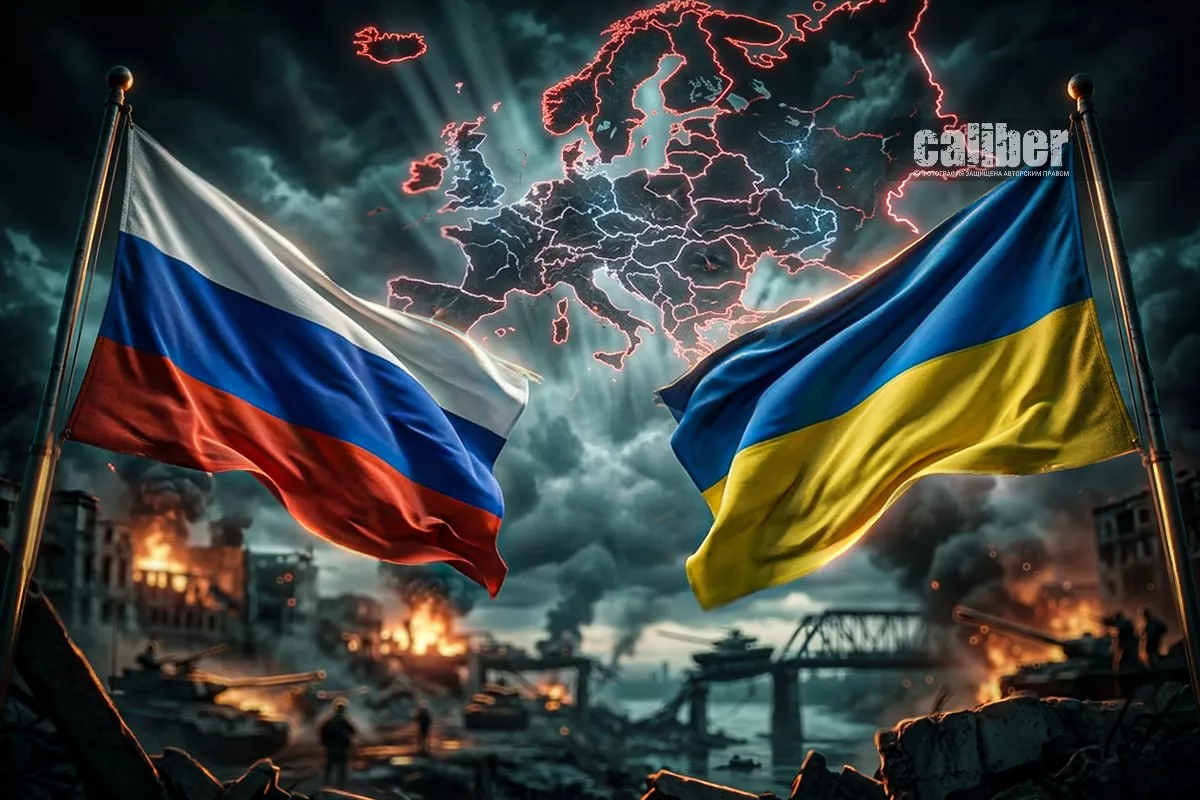
Ukraine’s depletion of its human resources will soon make it impossible to continue the war with Russia in its current form. Russia and the EU-NATO countries will then have to decide whether to bring the conflict to an end or expand it. Yet neither side currently has the will to pursue the former, while neither has the resources for the latter. And despite the bellicose rhetoric, everyone’s capacity for a large-scale confrontation is steadily dwindling.
Russia can keep fighting for a long time
During last week’s exchange of the bodies of fallen servicemen, Ukraine received 252 bodies of Ukrainian soldiers, while Russia received 23 bodies of Russian servicemen. The figures in the previous exchange in August were similarly catastrophic for Ukraine: 261 to 24. The disparity has, of course, narrowed compared with a couple of years ago, but it remains substantial.
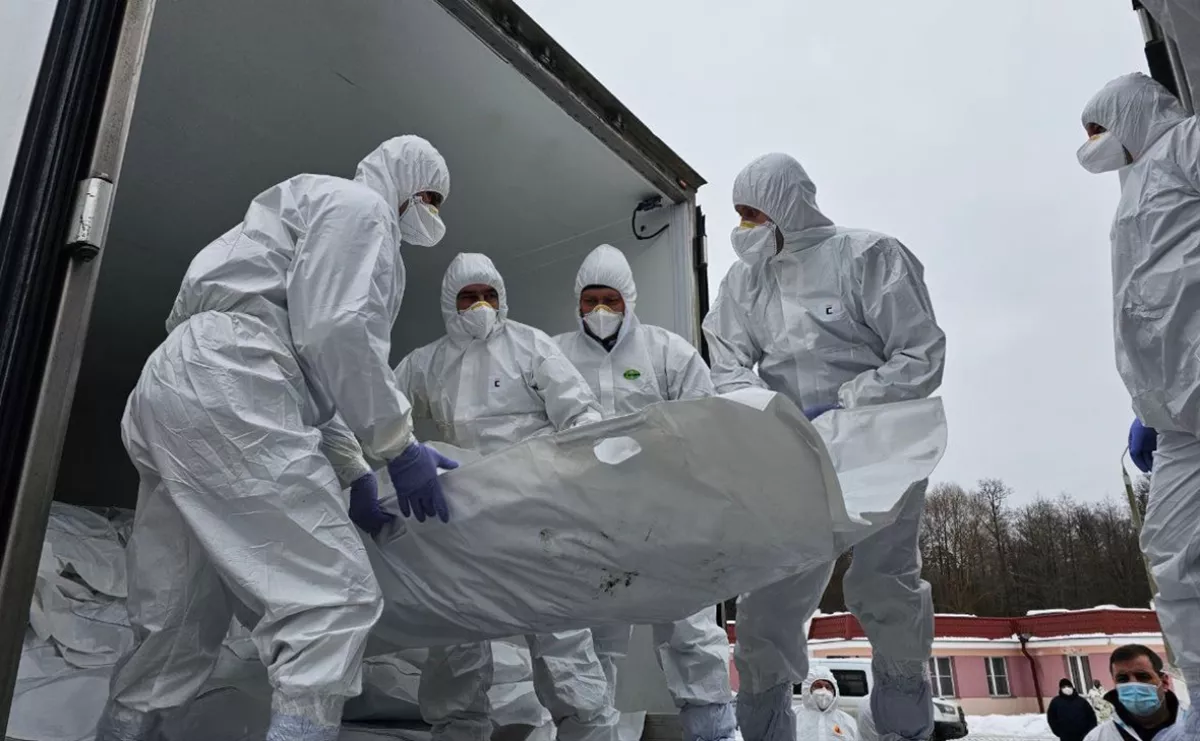
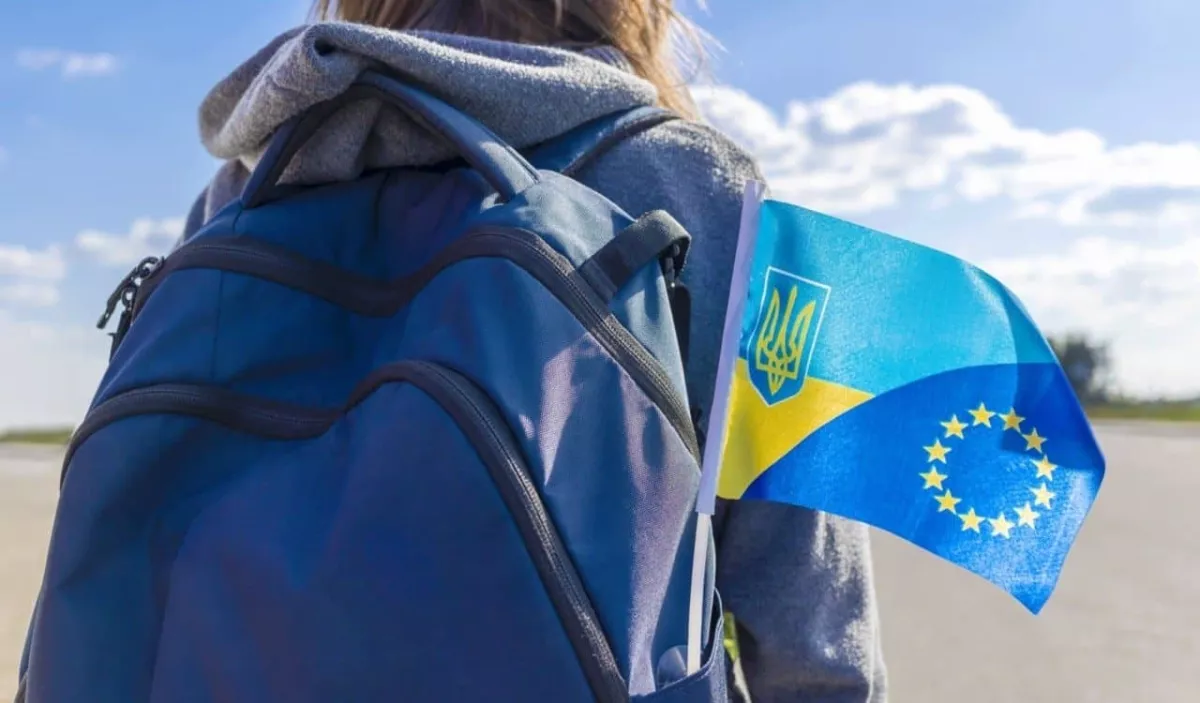
Exchanges of the bodies of fallen soldiers point to a significant disparity in the number of remains handed over by the two sides. On top of the enormous military losses, there is the growing exodus of Ukrainians abroad, from where, as the experience of previous wars has shown, well and truly every tenth person would be fortunate to return. As of the end of June, around 4.4 million Ukrainian citizens were under temporary protection in the EU. Incidentally, the most important strategic task for the Ukrainian government and its allies at this point should arguably be not securing yet more money or weapons, but mobilising Ukrainians abroad. There is simply no one left to fight.
At the same time, the Russian side does not appear to be facing such problems for now. We were told so many times in previous years that another mobilisation was imminent in Russia, but after the unsuccessful experience of autumn 2022, the authorities decided not to take the risk and apparently found a way to cope without it. This year, even the advertisements offering enormous financial incentives for signing a military contract have disappeared from the streets of central Russian cities and public places. They had been impossible to miss since 2023, with the promised payments steadily increasing.
The same applies to military hardware. Even the Polish official establishment acknowledges that it is still impossible to speak of Russia being depleted. According to their conservative estimates, as of the beginning of September, the Russian Armed Forces had received 14 aircraft this year: six Su-35S fighters, four Su-57s, two Su-34s and two Su-30SM2s. The Poles, of course, stress that “this figure cannot be called high”, arguing that in previous years annual deliveries amounted to 20–30 aircraft. But that is still more than the eight aircraft Russia has lost this year: one Tu-95, one Tu-22M, one Su-57, one Su-35, three Su-34s and one Su-30 have been destroyed. Two aircraft — one Su-30 and one Su-34 — have been damaged.
However, first, the year is far from over. There may well be further deliveries. And, incidentally, as the same commentators acknowledge, exports are continuing at the same time: to Algeria (at least four Su-34s), Belarus (two Su-30s) and Myanmar (two Su-30s). Last year, export volumes were only slightly higher — six Su-30s to Belarus, two Su-57s and four Su-35s to Algeria. And if the unknown number of aircraft delivered to Iran this year is taken into account, it becomes clear that exports have at the very least not declined. Second, maintaining aircraft production at previous levels amid not merely war and sanctions, but also a shift in efforts towards missile production, is itself an achievement.
Yet these statistics also reveal something else of crucial importance that the Polish official establishment failed to mention. Judging by the types of aircraft destroyed, Ukraine has focused its efforts on destroying strategic bombers that are of little relevance to its confrontation with Russia but are important to the West. The latter is therefore not simply providing assistance, but reshaping the war to suit its own interests. Under this arrangement, Ukrainian interests are pushed into the background, while Ukrainian resources are being spent on foreign objectives and tasks. That is the price of “assistance”.
A fatal alliance with the “overstayed” liberal leaders
Kyiv itself has driven the situation into this dead end through its reliance on foreign assistance and support to address its own problems. Yes, this policy meant that Russia initially found itself fighting not simply Ukraine, but a multi-headed “collective West” in various and changing configurations. As a result, Kyiv’s material and technical resources appeared highly impressive. But the project of confronting Russia ultimately fell into the hands of liberal elites — elites clinging to power while being squeezed by a new, illiberal opposition.
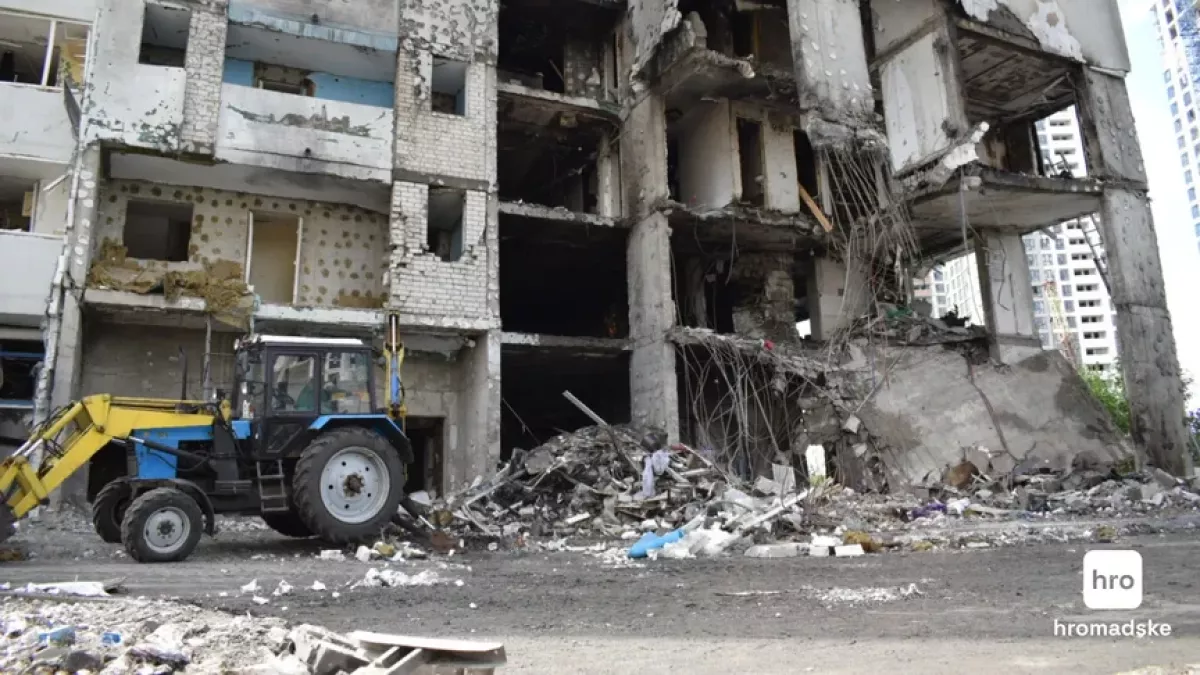
At one point, Kyiv made a major miscalculation by putting all its eggs in one basket and relying on an alliance with the US Democratic Party. The party lost the 2024 election, after which Zelenskyy had to manoeuvre for a long time to ensure that at least some American arms deliveries continued. In effect, America would already have been lost to Kyiv as a source of weapons had the Germans not stepped in to finance them.
This is steadily leading to a narrowing of the support base and to the instrumentalisation of Ukrainian resistance itself. It is becoming increasingly difficult for Kyiv to manoeuvre between different sponsors, while its dependence on a shrinking number of countries is growing. At the same time, it is being forced to carry out tasks that do little to help it defend itself or restore control over lost territories — for example, probing the condition of Russian strategic aviation bases, at the behest of its Western allies, first near Saratov and then in the Russian Far East.
Moreover, Kyiv is closely tied to European liberal regimes, which could face the same fate as the one that befell the United States. In at least some key EU countries, power may change hands so dramatically in the coming years that it would be appropriate to speak of a change of regime, with an illiberal opposition coming to power.
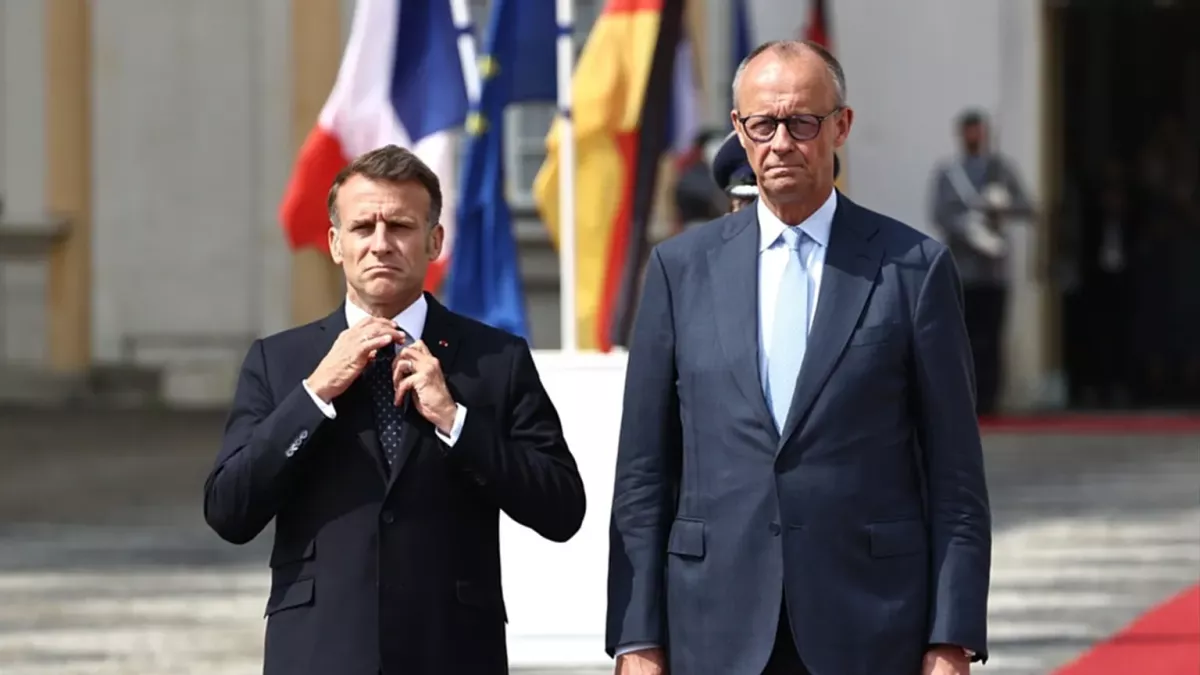
This applies above all to France and Germany. It is worth recalling that German Chancellor Friedrich Merz’s approval rating has fallen to 12%, while French President Emmanuel Macron’s rating has fluctuated between 16% and 26% this year.
In both countries, political forces are gaining ground that make no secret of their, to put it mildly, sceptical attitude towards supporting Ukraine’s war with Russia and their interest in resuming business ties with Moscow. Most likely, power will also change hands in the UK following France and Germany. Britain is Kyiv’s third key European ally. Prime ministers have changed there at an accelerating pace not only in recent years under Labour — its right-liberal rivals have also had precarious positions.
The policy of confrontation with Russia, rooted in the Russian-Ukrainian war, itself rests on shaky financial foundations. The enormous military spending currently being undertaken by a number of European countries largely consists of EU funds provided through the SAFE programme, which are essentially borrowed money. Individual countries are also taking on unprecedented levels of debt to finance military spending, at least part of which goes towards supporting Ukraine. Germany’s controversial suspension of its debt brake this year is a case in point. Injecting such vast sums of money will further fuel inflation, which is already clearly visible in the eurozone, thereby undermining the European liberal regimes.
Yet even borrowing is no longer enough. As became clear a couple of weeks ago, the British government cannot find enough money to train its armed forces. A number of exercises have simply been suspended despite complaints from military commanders. In addition to cuts in the British Army’s day-to-day expenditure, the length of training for reservists is also being reduced, much to the alarm of the military leadership. On paper, there are plenty of personnel and equipment, but in reality, none of it can be put to use. There is not even enough money for their own armed forces.
Europe without money and soldiers
More importantly, Ukraine’s ability to secure funding through the EU has itself been called into question. This source was particularly important because the EU’s principle of unanimity on major foreign-policy decisions allowed numerous financially insolvent and strategically weak allies of Ukraine to push for policies favourable to Kyiv, even when the stronger countries were wavering on the issue.
Germany and France want to increase their influence within the EU. In addition, Germany clearly sees itself playing a leading role in continuing the confrontation with Russia on Ukrainian territory. Berlin and Paris are not merely seeking to reform the EU’s decision-making process. Germany also intends to reduce its contribution to the EU budget, and Chancellor Merz has already built a coalition comprising Germany, Austria, Finland, the Netherlands and Sweden that is calling for the EU’s seven-year budget to be cut by hundreds of billions of euros.
This will lead to a reduction in funding for Ukraine. Germany’s current leadership began calling for cuts to the European Commission’s proposed €2 trillion EU budget back in the summer, but the recent gains made by the opposition in elections are now putting additional pressure on the government. Squeezed by the Alternative for Germany (AfD), Merz is trying to take over its themes of fiscal pragmatism and greater attention to national interests.
Cuts to the EU budget would deliver a devastating blow not only to EU programmes for Ukraine. They would also be no less damaging to Poland, a country that has played a key role in supporting Ukraine. Poland is particularly important because its geographical position and transport infrastructure give it uniquely significant capabilities for providing support to Kyiv. An important factor behind Poland’s willingness to invest billions in its confrontation with Russia and support for Ukraine has been the flow of funds from the EU.
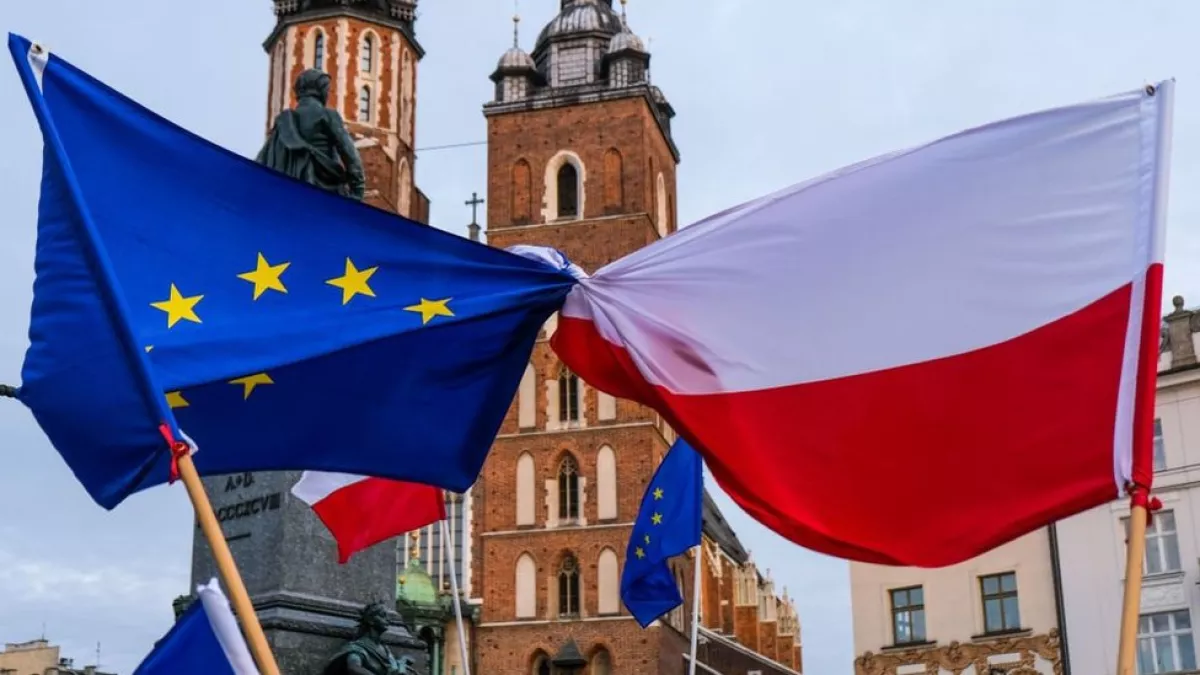
Put simply, it was not merely ideologically appealing; it was financially advantageous to be an outpost of “Western civilisation”. During its EU membership, Poland received around €250 billion from the EU budget, while its net balance of transfers exceeded €163 billion. Polish Prime Minister Tusk even secured the strategically important EU budget commissioner portfolio for a Pole, in an effort to guarantee the continuation of the previous financial windfall for 2028–34.
And now Merz could derail this ambitious plan and cut Poland off from the funding stream. This would bring the Polish leadership back down to earth, forcing it to look for money rather than draw up plans for reshaping the region. For now, the situation looks bleak, with the German chancellor standing firmly by his position. And if the dispute drags on, budget cuts could become even more extensive by May, when Le Pen and her supporters could come to power in France and demand the same.
At the same time, Ukraine’s resources have been depleted to the point of exhaustion. By the end of the decade, the EU will increasingly face a choice between peace and entering the war, because the Ukrainians will simply “run out”. Yet the EU-NATO countries have neither the money to fight nor the personnel to do so.
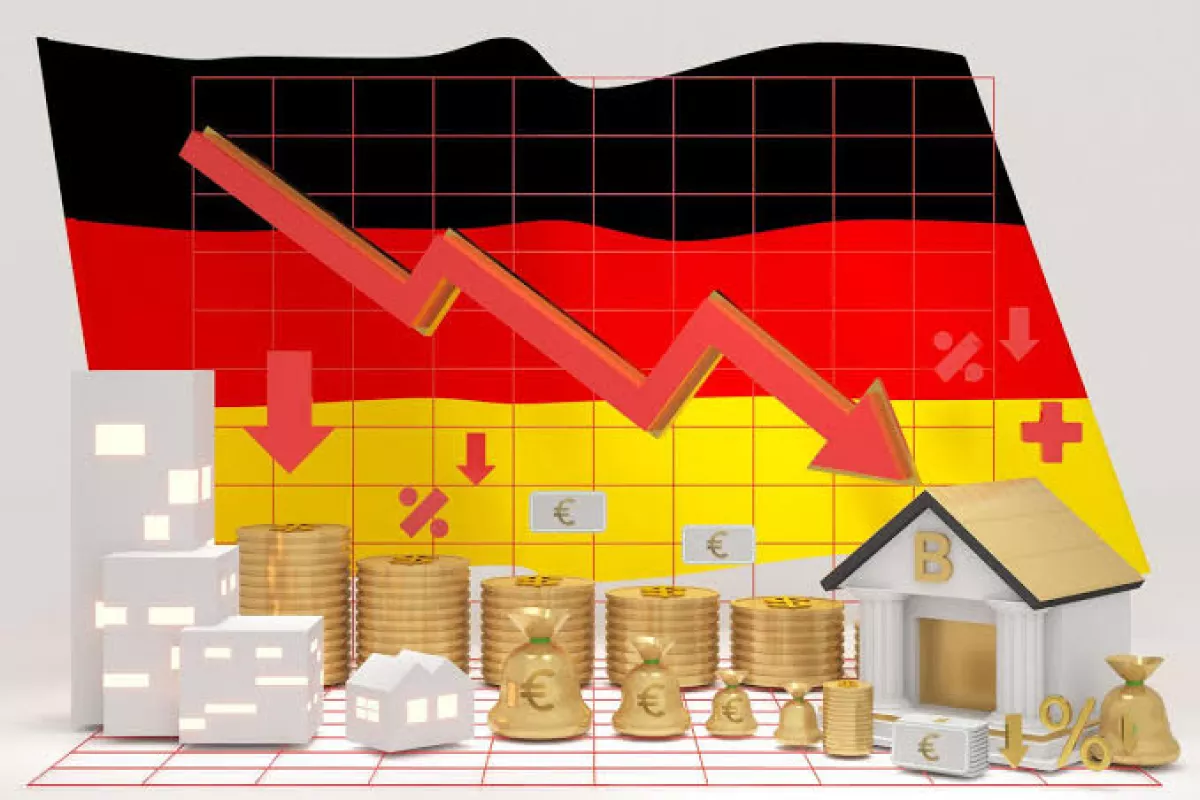
In reality, these countries are experiencing economic stagnation. Germany’s economy went through two years of contraction, after which real GDP grew by just 0.2% in 2025. But this growth is being driven by borrowing and militarisation. In reality, the number of corporate bankruptcies is hitting record highs, while what remains of Germany’s advanced industrial base is moving to China and the United States. One might think that the unemployed could be sent into the armed forces. But even that is not so simple because of the ageing population. Germany is therefore considering extending the age limit for reservists to 70. During the Cold War, children and young people under the age of 20 accounted for 30% of West Germany’s population; today, the figure is 18%. Increasing the size of the armed forces will therefore be difficult.
There is another aspect to this. The young people available in Western Europe are predominantly of recent migrant origin. They may have attended German schools, but the old German ideology has little influence over them. During the Cold War, NATO analysts liked to assess the degree of loyalty of various Soviet allies in the event of war. Today, the same question has arisen for Western countries — even within their own armed forces. Germany recently decided, as a precaution, not to deploy soldiers with identified family or other links to Russia or Belarus as part of the tank brigade being deployed along the Belarusian border. Incidentally, when the German army sent soldiers to Afghanistan and Iraq, no such questions were raised. In other words, the very foundations of the German state as they were established after 1945 are beginning to shake.
Russia in search of meaning and objectives for the war
None of this by any means signifies a Russian victory in the war. Yes, Russia is not on the verge of economic collapse. In nominal terms, it is even benefiting from higher energy prices driven by the current wars. The massive capital flight that Russian elites had been sending to the West before Western sanctions were imposed has also largely ceased. But has this actually improved Russia’s position in the world? Let us take the most visible aspect of the geopolitical transformation of Russia’s global position — the “pivot to the East”.
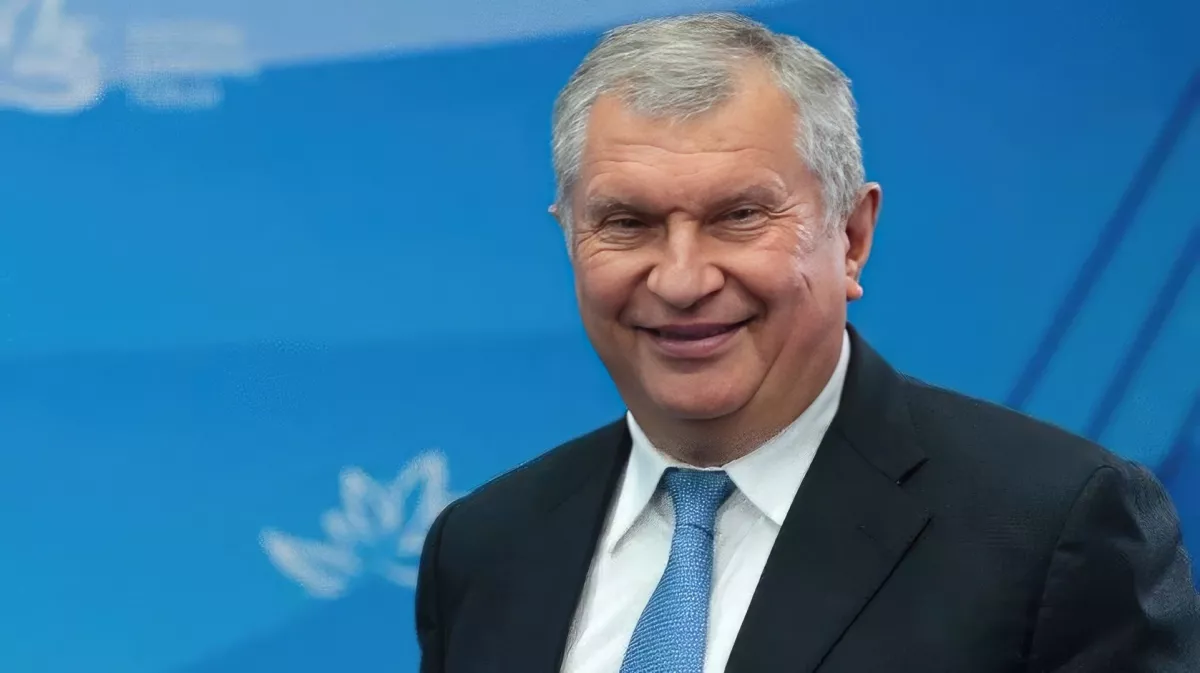
At the beginning of the month, Rosneft CEO Igor Sechin proudly announced that Russia has been supplying China with more than 100 million tonnes of oil a year for four consecutive years, making it the country’s largest oil supplier. This year, Russia accounts for 23% of China’s oil imports. At the same time, Sechin stressed that “the efficiency [for China!] of purchasing Russian oil exceeds the alternatives from the Middle East”.
If we recall the premiums at which Middle Eastern countries have sold oil to China in recent years, what terms have Russian oil traders been offering? It is also noteworthy that the focus is explicitly on crude oil itself, rather than on petroleum products, which would allow Russian businesses to extract greater value from the raw material.
It appears that, amid the war with the West, the Russian authorities’ goal is to become China’s preferred supplier of raw materials. Sechin also added that, alongside oil, “Russia is strengthening its presence in the Chinese market for other energy resources”. Russia doubled its supplies of copper ore and concentrate last year, and then doubled them again in the first seven months of this year. In addition, it has managed to account for around 20% of China’s coal imports. It also succeeded in increasing supplies of enriched uranium to China by 40% — at least that is not ore.
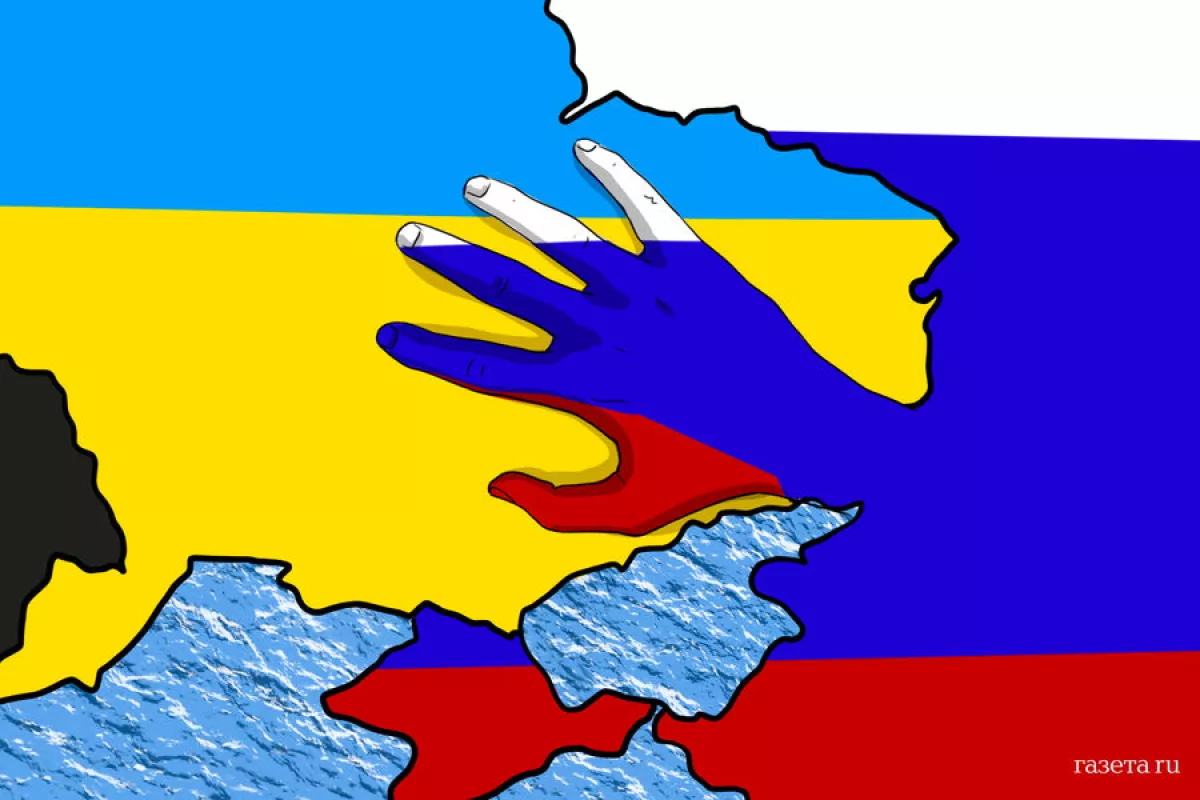
In other words, by tying its hands with the war in Ukraine, Russia is losing time and simply transforming itself from a raw-materials supplier to Europe into a raw-materials supplier to China.
At the same time, the war in Ukraine not only looks like a questionable geopolitical move in this respect, but also a senseless and devastating campaign, the ultimate result of which may one day be summed up for Russians with the words: “According to new intelligence, we were fighting ourselves.”
These thoughts are prompted not only by the snail’s pace of the Russian advance, which has not accelerated despite Ukrainian losses. Russia is losing time: by focusing on Ukraine, it has been left with minimal resources and opportunities to do anything on other fronts. It is conquering territories that are not merely devoid of population, but consist of scorched earth that will be largely unsuitable for economic activity for the foreseeable future.
At the same time, the Russian government is largely being forced to tolerate mounting threats in a number of other areas. Examples include Russian lines of communication in the Baltic and Black seas, as well as the situation in the Kaliningrad Region and the Kuril Islands. These developments also demonstrate that Russian military operations outside Ukraine are out of the question for the foreseeable future.
Moscow’s response to these problems has, in effect, consisted largely of renewed hints at its readiness to use nuclear weapons.
Even figures who once supported the war and are far removed from the liberal, pro-Western opposition are beginning to question the strategic rationale for continuing it. Yevgeny Prigozhin’s actions in 2023 were the first harbinger of a new challenge to the authorities, although they were largely dismissed as the product of personal ambitions. But if one listens to what figures who are far from marginal within Russia’s public pro-war “Z” space — people such as Zakhar Prilepin, German Sadulaev and Alexei Chadayev — are saying, it becomes clear that a new political arena is taking shape at and around the front, and those involved are hardly enthusiastic about what is happening. The only question is when this emerging protest will become a more significant factor for the Russian authorities.
And if such sceptical sentiments are becoming noticeable even among people who either volunteered to fight or are helping the war effort from the rear by raising money and collecting equipment, what can be said about the rest of the population? The Russian authorities are reluctant to draw it into more active support for the war. At present, the main recruitment materials in Russian cities are appeals to join drone units, with an implicit suggestion that such service is relatively safe.
Overall, it appears that it is precisely these doubts about the war within Russian society that the Ukrainian side has been trying to amplify in recent months by carrying out drone attacks on Russian population centres that have little military prospect of success and often violate the laws of war.
Unlike the EU and Russia, which lack both the strength and the will either to escalate or make peace and can therefore continue fighting in the current mode for many years, Ukraine is simply “running out”.
Source: caliber.az
 scorpion.az